Trophy Husband Retro Svg Design Review
As a designer who spends more time staring at stitch charts and fabric swatches than I care to admit, I have learned that the difference between a "cute" digital file and a successful handmade product often comes down to execution. It is not just about how the design looks on a screen; it is about how it translates into thread, how it sits on a curve, and whether it holds up after ten washes. When I was asked to evaluate the Trophy Husband Retro Svg Design, my first thought was practical: does this actually work for real-world embroidery, or is it just another trendy graphic destined to look muddy in a small hoop?
The short answer is yes, but with specific caveats. This design falls squarely into the Crafts and Graphics categories, leaning heavily into the nostalgic aesthetic that has dominated social media feeds for the past few years. However, before you upload this to your digitizing software or send it straight to the production line for your Etsy seller shop, let us break down exactly what this embroidery project offers, where it shines, and where it might trip you up.
First Impressions and Visual Personality
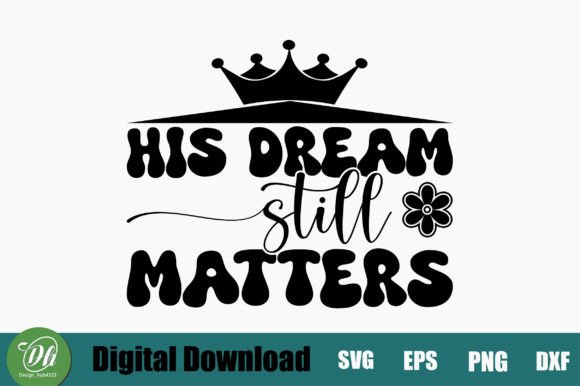
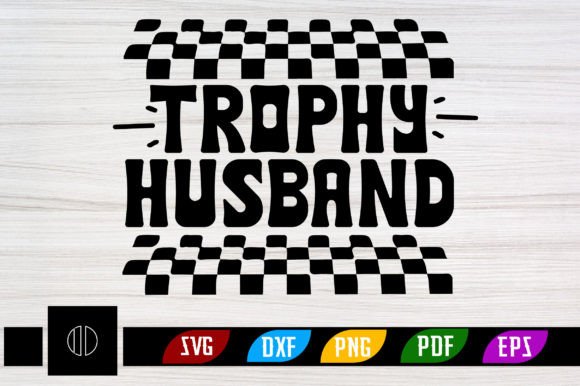
The moment you open the DIGITAL DOWNLOAD ONLY package, which includes one .zip file containing an SVG and a DXF, you are greeted by a bold, retro-inspired composition. The mood is playful yet polished. It captures that mid-century modern vibe without feeling dated, making it highly appealing to the current market of creative entrepreneurs and hobbyists who want their products to feel curated rather than mass-produced.
Visually, the layout is balanced. The typography usually associated with this theme—often featuring thick, rounded, or slightly distressed fonts—pairs well with iconic imagery like trophies or stars. For an embroidery file, this balance is crucial. If the text is too thin or the graphical elements are too intricate, the result can be a tangled mess of thread. Here, the shapes appear solid enough to hold their form during stitching. The visual personality suggests a product that is fun, slightly ironic, and perfect for gifting. It screams "personalized gift," which is a high-demand category for small business owners looking to boost their average order value.
Real-World Application: From Screen to Stitch
Let us imagine a concrete scenario. You are preparing a batch of custom apparel for a holiday market or a boutique client. The target audience is spouses, partners, or friends celebrating anniversaries and birthdays. You decide to use the Trophy Husband Retro Svg Design on a heavyweight cotton sweatshirt. This is a classic application for this type of machine embroidery design.
When placed on the left chest area of a sweatshirt, the retro aesthetic works beautifully. The texture of the fleece or French terry provides a nice backdrop for the stitch density required to make the colors pop. However, if you were to scale this down for a baby onesie, you would need to be much more careful. While the design is versatile, tiny details in retro graphics can sometimes get lost or become difficult to clean up if the hoop size is too small. For a tote bag design, however, this is where the design truly excels. The larger canvas allows the satin stitch edges to shine, and the casual nature of a tote bag matches the relaxed vibe of the graphic perfectly.
I also see strong potential for apron embroidery. Kitchen towels and aprons are staple items for craft fair products, and a retro-themed design adds a touch of humor and warmth that buyers love. It transforms a simple utility item into a keepsake. Similarly, for holiday embroidery, this design fits seamlessly into Christmas or Valentine’s Day collections, offering a fresh alternative to traditional motifs.
Where Caution Is Required
No design is perfect for every surface, and being honest about limitations is part of professional advice. There are several situations where the Trophy Husband Retro Svg Design might present challenges:
- Small Hoop Sizes: If you attempt to digitize this for a very small hoop (under 4x4 inches), you may find that fine lines in the retro font become illegible. Always check the minimum size requirements.
- Textured or Stretchy Fabrics: While heavy cottons are ideal, applying this to thin jersey or highly textured bouclé fabrics can cause distortion. The stabilizer choice becomes critical here to prevent puckering.
- Curved Surfaces: Embroidering this on caps or hats requires precision. If the design has sharp corners or tight curves, they may flatten out or stretch on a curved brim. Test this carefully before committing to a full run.
- Dense Stitch Areas: If the original graphic relies on very dense fills, it might feel stiff on delicate garments. For baby embroidery, lighter fill stitches or reduced density settings might be necessary to maintain comfort.
- Dark Fabric: Ensure you have enough contrast. Retro designs often use light pastel or white threads for highlights. On dark fabrics, these details can disappear unless you use a high-quality underlay or change the thread palette.
Impact on Product Value and Branding
Using a well-executed digital embroidery file like this one directly impacts customer trust. When a buyer receives a finished product where the stitching is clean, the colors are vibrant, and the alignment is precise, it signals professionalism. It tells them that you care about quality, not just speed.
For commercial embroidery projects, this design offers a high return on investment. It is broadly appealing, gender-neutral enough for many contexts, and fits into multiple niches—from wedding gifts to corporate team-building items. The retro trend also ensures longevity; unlike fleeting meme-based designs, this aesthetic has staying power. It enhances the brand consistency of a shop that focuses on witty, stylish, and high-quality home goods or apparel.
Practical Designer Notes for Execution
Before you start stitching, there are several technical steps every embroidery designer should take:
- Test on Scrap Fabric: Never go straight to the final garment. Stitch the design on a scrap piece of the same fabric type to check for tension issues and color clashes.
- Review Stitch Density: Look closely at the digitizing. Are the fill stitch areas too heavy? Can the running stitch details be simplified without losing character? Adjusting these parameters can save hours of cleanup time.
- Check Thread Colors: The retro look often depends on specific color palettes. Test your thread choices against the fabric. A black and white mockup can help you visualize contrast before you commit to expensive specialty threads.
- Confirm Licensing: Since this is a DIGITAL DOWNLOAD ONLY product, ensure you understand the commercial usage rights. Most SVG files allow for physical sales of finished items, but reselling the digital file itself is almost always prohibited. Check the license terms provided with the purchase.
- Use Proper Stabilizer: The right stabilizer makes the difference between a wavy design and a crisp one. For stretchy fabrics, a cut-away stabilizer is usually best. For woven fabrics, a tear-away may suffice.
- Inspect Small Details: Zoom in on the digitized version. Are there any overlapping paths that could cause thread breaks? Cleaning up minor errors in your digitizing software before exporting can prevent headaches later.
In conclusion, the Trophy Husband Retro Svg Design is a strong asset for any craft business or serious hobbyist. It offers a blend of nostalgia and modern appeal that resonates with buyers. By paying attention to fabric choice, stitch density, and proper preparation, you can turn this design asset into a profitable and beautiful handmade product. Just remember: the best embroidery starts with good planning, not just a good file.