Proud to Be an American Retro SVG Review
As a designer who spends half my life troubleshooting thread jams and the other half trying to make handmade goods look professional on Etsy, I don’t just buy files because they look pretty in a thumbnail. I need to know if they stitch out cleanly, if they hold up after ten washes, and if they actually add value to a finished product. When I pulled Proud to Be an American Retro SVG into my workspace this week, I was looking for something with a bit of grit—something that could anchor a small batch of custom apparel without feeling like a generic clip-art stamp.
The retro aesthetic is saturated right now, so the bar for entry is high. Most "vintage" designs fail because they are either too cluttered for machine embroidery or too simple to feel authentic. This file, however, struck a balance that made me sit up and take notes. It isn’t just a graphic; it’s a machine embroidery design ready to be translated into thread, provided you understand how to handle its specific visual personality.
First Impressions: Mood and Visual Weight
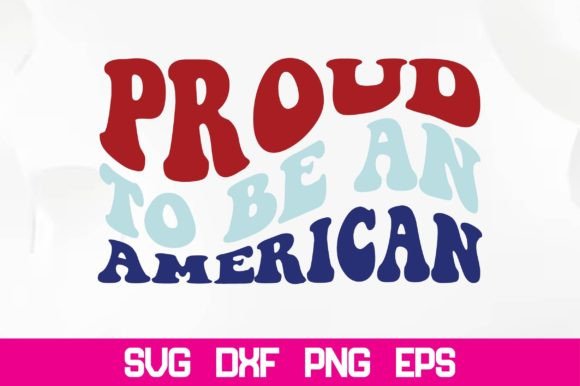
The moment you open the vector file, the mood is clear. It carries that nostalgic, mid-century Americana vibe that resonates deeply with crafters selling at local markets or boutique owners curating patriotic collections. The layout feels balanced, avoiding the chaotic energy of some modern streetwear graphics while still maintaining enough edge to appeal to younger demographics.
For an Etsy seller or small business owner, this is crucial. You aren’t just selling a shirt; you are selling a feeling. This design evokes pride, heritage, and a touch of rebellious nostalgia. Visually, the shapes are bold. In the world of embroidery, bold is good. It means fewer tiny, frustrating details that can get lost in the fabric weave. It suggests a design that will read clearly from across a room, which is exactly what you want for custom apparel and sweatshirt embroidery.
The file being provided as a vector (EPS) and a CAD-compatible format (DXF) gives me confidence in its scalability. Whether I am placing a small logo on a cap or scaling it up for a large tote bag design, the lines remain crisp. However, remember that a vector is not an embroidery file. It is a blueprint. The magic happens when you digitize it or convert it correctly, keeping in mind the limitations of needle and thread.
Real-World Application: Where This Design Shines
I took this concept through several mental mockups to see where it would fit best in a commercial workflow. The versatility of Proud to Be an American Retro SVG is its strongest asset. Here is how I see it performing in real projects:
- Custom Apparel & Sweatshirts: The retro theme pairs perfectly with heavyweight cotton blends. On a heather grey or navy sweatshirt, the design pops. It works particularly well as a chest pocket placement or a centered back print for a more subtle statement. For commercial embroidery, this is a safe bet for seasonal sales around holidays.
- Tote Bags & Canvas Goods: Canvas is a forgiving fabric, but it can distort delicate designs. Because this SVG has strong structural elements, it holds its shape well on canvas totes. It adds a professional touch to handmade products that might otherwise look mass-produced.
- Baby Embroidery & Nursery Decor: Don’t overlook the gift market. A softer color palette applied to this retro motif makes for excellent personalized gifts. Think onesies, burp cloths, or quilt squares. The "Proud to Be" sentiment translates well to new parents wanting to pass down values, making it a high-value item for craft business inventory.
- Embroidered Patches: If you are creating detachable patches for denim jackets or backpacks, the clean edges of this vector allow for easy applique work or dense satin borders. It creates a distinct, badge-like appearance that customers love.
Technical Considerations for the Discerning Designer
While the source file is robust, converting it to a stitched reality requires care. As a reviewer, I have to point out where things can go wrong if you rush the process. The difference between a $5 item and a $30 item often lies in these technical details.
Stitch Density and Fabric Choice
Retro fonts and thick outlines can sometimes lead to high stitch density. Before committing to a final run, always test your design on scrap fabric. If you are using thin or stretchy fabrics, you risk puckering. You must use the correct stabilizer—likely a cut-away stabilizer for stability—to keep the embroidery project flat and professional. If the design relies heavily on fill stitch areas, ensure your machine can handle the volume without breaking thread.
Thread Colors and Contrast
The visual impact of this design is 50% dependent on your thread colors. A black outline on a black shirt won’t show up. Conversely, neon threads on a pastel background might clash with the vintage mood. I recommend testing the design in a black-and-white digital mockup first to check contrast levels. Then, experiment with traditional retro palettes: mustard yellows, faded reds, and deep teals against neutral backgrounds.
Hoop Size and Placement
Always confirm the hoop size required by your digitized version. If the design is meant for a 4x4 hoop, do not try to force it onto a larger garment without proper repositioning or multi-hooping techniques. For curved surfaces like caps or hats, you may need to reduce the scale slightly to accommodate the curvature, ensuring the text remains readable and doesn't stretch unnaturally.
Where to Use Carefully
No design is perfect for every scenario. There are specific contexts where Proud to Be an American Retro SVG might struggle:
- Small Hoop Sizes: If you are working with very small hoops (like 2x2 inches), intricate details within the retro elements might merge together. Keep it simple or scale up.
- Textured Fabrics: Bouclé, heavy tweeds, or loosely woven linens can hide the precision of a good design. Stick to smooth cottons, wovens, or knits for the best result.
- Dense Stitch Areas: Avoid placing this design over existing seams or pockets where the fabric is already thick. The added bulk can cause needle deflection or uneven stitching.
Final Verdict: Is It Worth Adding to Your Assets?
For digital product sellers and creative entrepreneurs, Proud to Be an American Retro SVG is a solid addition to your library. It bridges the gap between trendy aesthetics and timeless appeal. It is versatile enough for holiday embroidery, suitable for everyday wear, and durable enough for frequent washing—a key factor in customer satisfaction.
However, success depends on your execution. Do not treat it as a "set it and forget it" file. Inspect the paths, choose your thread colors intentionally, and respect the mechanics of your machine. When done right, this design elevates a simple piece of clothing into a statement piece that customers will want to wear and showcase.
If you are looking to expand your Graphics offerings in the Crafts category, this file provides a strong foundation. Just remember to verify all licensing terms before selling finished items. Ensure you have the rights to use the design commercially, especially if you are producing large batches for boutique branding. With careful preparation, this retro staple can become a bestseller in your shop, appealing to anyone who wants to wear their pride with a little bit of vintage flair.