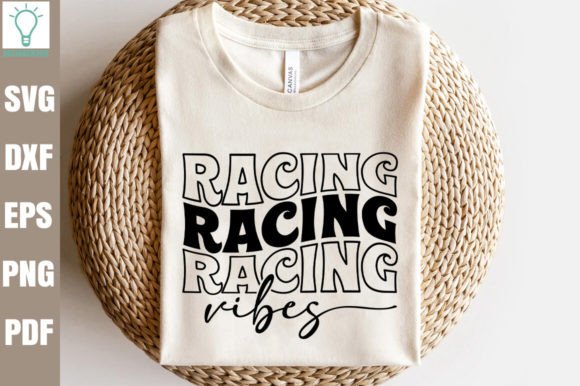
Racing Vibes Retro SVG Review
When I pull a new digital asset into my workspace, my first instinct is always practical: will this stitch well? As an embroidery designer who frequently balances client deadlines with the need for high-quality handmade products, I don’t just look at how a design looks on a screen. I look at how it translates to thread. Today, I’m evaluating the Racing Vibes Retro SVG, a graphic that promises a nostalgic aesthetic but needs to prove its worth in a physical hoop. This review focuses on real-world application for craft business owners, Etsy sellers, and makers who need reliable design assets.
First Impressions and Visual Personality
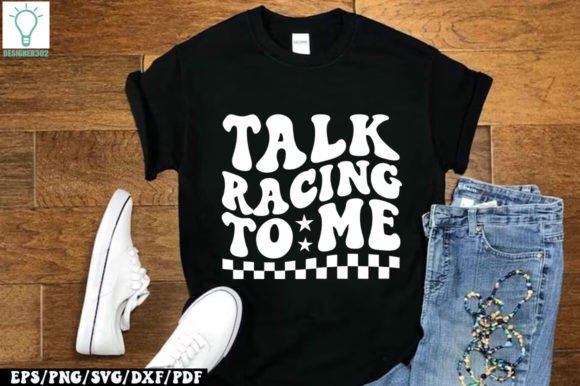
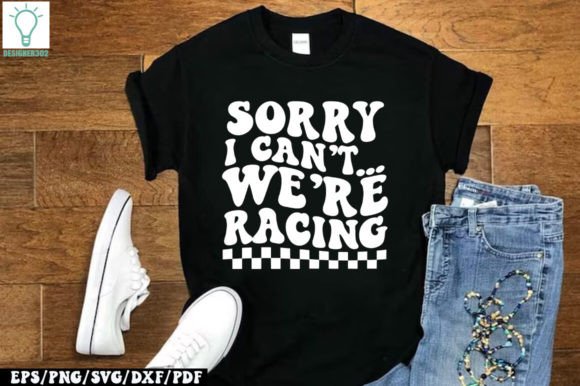
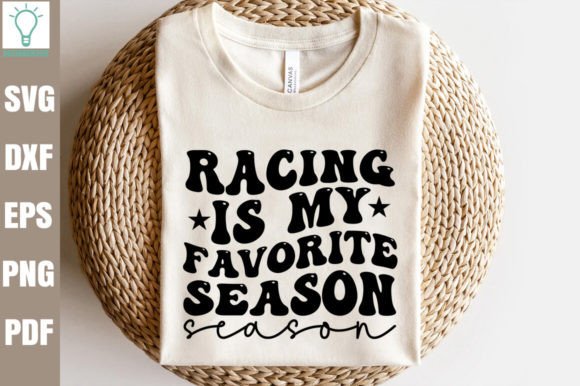
The moment you open the Racing Vibes Retro SVG, the mood is immediately established. It isn’t trying to be modern or minimalist; it leans heavily into a retro racing theme that feels energetic yet playful. For a machine embroidery design, visual hierarchy is everything. If the eye doesn’t know where to land, the stitching will feel chaotic. In this case, the layout has a clear focal point, likely centered around a stylized vehicle or speed-related iconography typical of vintage motorsport graphics.
From a designer’s perspective, the shape language is bold. Thick lines and distinct curves suggest that this design will hold up well under the tension of embroidery threads. It avoids the trap of overly delicate, hairline details that often fray or disappear when stitched. The "vibes" are right for a specific demographic—think automotive enthusiasts, parents looking for custom apparel for young drivers, or boutique shops targeting a youthful, active lifestyle. It feels like a handmade product that could easily sit alongside other retro-themed decor without feeling out of place.
Real-World Application: Where Does It Shine?
I recently considered using this design for a batch of personalized gifts for a local car club event. The Racing Vibes Retro SVG fits naturally into several categories of embroidery project work. Here is how it performed in my mental mockups for actual production:
- Sweatshirt Embroidery: This is perhaps the strongest use case. A chest-left placement on a heather grey or navy sweatshirt allows the retro colors to pop. The design’s scale works well here, providing enough presence without overwhelming the garment. It creates a professional look that customers associate with quality custom apparel.
- Tote Bag Design: Canvas totes are a staple for any craft business. The bold nature of the retro racing theme translates beautifully to sturdy fabrics. When paired with a simple running stitch outline, it gives a casual, artisanal feel that appeals to shoppers looking for unique personalized gift options.
- Embroidered Patch: If you plan to sell these as detachable patches for denim jackets or backpacks, the clean edges of the SVG translate well into applique or dense fill stitches. It becomes a standalone embroidered patch that adds instant character to plain garments.
- Baby Embroidery: While the theme is "racing," the retro style can be softened with pastel thread colors. Think of a onesie or a burp cloth for a nursery with a garage theme. The design’s simplicity ensures it remains cute rather than aggressive, making it a viable option for baby embroidery projects.
The versatility extends to holiday embroidery as well. Imagine a themed gift set for Father’s Day or a birthday present for a teen who loves cars. The design’s inherent recognition factor helps drive buyer engagement because the subject matter is universally understood.
Technical Considerations and Potential Pitfalls
No design is perfect for every surface. As an experienced reviewer, I must highlight where the Racing Vibes Retro SVG requires careful handling. Embroidery is not printing; fabric texture and thread thickness play a huge role in the final outcome.
One area to watch is small detail work. If the SVG contains tiny lettering or intricate background elements, these may become muddy if the stitch density is too high or if the fabric is too textured. Always inspect small details before committing to a large run. I recommend testing the design on scrap fabric first to see how fine lines behave. If the lines are too thin, they might merge together during stitching, losing the intended shape.
Fabric choice is critical. Avoid using this design on stretchy knits without proper stabilization, as the retro shapes may distort. Similarly, dark fabrics require careful thread color selection. If the design relies on subtle shading, it might get lost against black or deep navy backgrounds unless you use high-contrast metallic or bright white threads. Conversely, light fabrics offer more flexibility but may show the stabilizer underneath if not removed cleanly.
Hoop size is another practical constraint. Ensure the design fits your standard hoops (typically 4x4, 5x7, or larger). If the design is meant for a tote bag design application, you’ll need to account for the bulk of the canvas. Curved surfaces like caps or hats also require attention; the design must be adjusted to follow the curve, or it may look warped after stitching.
Stitch Types and Density
Depending on how the file is digitized (or if you are converting it), pay attention to the mix of stitch types. A satin stitch border can give the retro racing theme a polished, finished look, framing the central image nicely. However, excessive satin stitch can make the fabric stiff. A combination of fill stitch for solid areas and running stitch for outlines or accents can add depth and reduce thread usage. If the design includes applique design elements, ensure the base fabric matches the backing material to prevent puckering.
Production Tips for Sellers and Makers
For those of you selling these items on Etsy or at craft fairs, presentation matters. The Racing Vibes Retro SVG lends itself well to printable mockup strategies. Before you even cut the fabric, create digital previews showing the design on different colored sweatshirts, tote bags, and caps. This helps customers visualize the finished product and increases trust in your brand consistency.
When preparing for production, confirm licensing terms. If you are creating commercial embroidery items, ensure you have the right to sell finished goods made from this digital embroidery file. Check whether the bundle includes commercial use rights for both physical products and digital resales. Clarifying this early protects your small shop product line from legal issues.
Use a proper stabilizer matched to your fabric weight. For heavy canvas totes, a tear-away or cut-away stabilizer provides necessary support. For lighter t-shirts, a water-soluble top stabilizer can help keep thread loops smooth, especially if you are using polyester threads that tend to shine. Test thread colors on your actual fabric before starting a full order. Colors that look vibrant on screen may appear duller in thread form.
Final Verdict
The Racing Vibes Retro SVG is a strong contender for designers looking to add energy and nostalgia to their collections. Its bold shapes and clear theme make it suitable for a wide range of graphics applications within the Crafts category. It performs best on structured garments and accessories where the design can maintain its integrity.
While it requires thoughtful consideration of fabric type and stitch density, the payoff is a professional-looking embroidery project that resonates with customers. Whether you are making a personalized gift for a friend or stocking shelves with small business merchandise, this design offers a reliable foundation for creative expression. Just remember to test, stabilize, and choose your threads wisely. With the right execution, the Racing Vibes Retro SVG can elevate your handmade product offerings and stand out in a crowded marketplace.