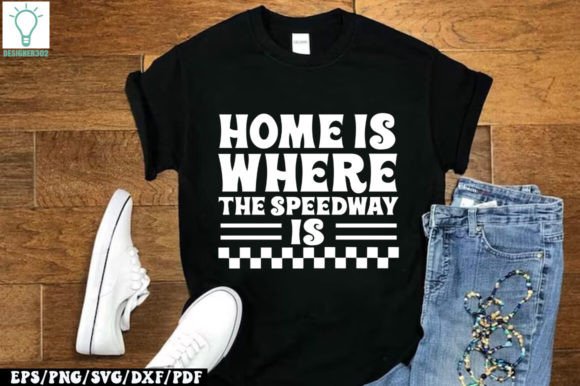
Home is Where the Speedway is Retro SVG
As a designer who spends half my life staring at stitch maps and the other half trying to sell handmade goods, I have developed a pretty sharp eye for what actually works in production versus what looks good on a screen. When I first pulled up Home is Where the Speedway is Retro SVG, I didn’t just see a file; I saw a potential bestseller for a specific niche. It’s not just another generic racing logo. The retro aesthetic gives it a vintage soul that resonates with people who value nostalgia as much as they value speed.
This review isn’t about the technical specs of the download folder—though having SVG, DXF, PNG, EPS, and PDF formats is a massive plus for versatility—it’s about how this design behaves when it hits the hoop. If you are an Etsy seller, a craft fair vendor, or a small business owner looking to expand your catalog, here is my practical breakdown of using this graphic for real-world embroidery projects.
The First Impression: Mood and Visual Personality
The moment you open the file, the vibe is unmistakable. This is warm, inviting, and deeply rooted in Americana culture. The typography and layout suggest a classic diner sign or a faded patch from a 1970s race track. For embroidery designers, this mood is crucial because it dictates the thread choices and fabric textures you will need to make it sing.
Visually, the design has a strong silhouette. In machine embroidery, if the shape isn’t readable from three feet away, it fails. This design passes that test easily. The curves of the text and the implied motion of the "speedway" theme create a dynamic flow that feels energetic without being chaotic. It strikes a balance between bold statement piece and subtle personal touch. It feels like something you would want on a sweatshirt after a long day at the track, or on a tote bag heading to a local car show.
Real-World Application: Where This Design Shines
I recently simulated this design on several common product types to see where it fits best. Here is where Home is Where the Speedway is Retro SVG truly excels:
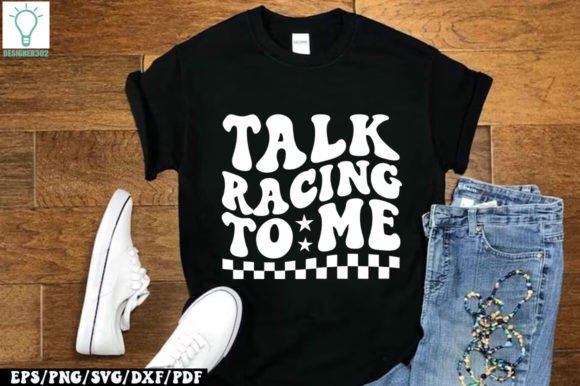
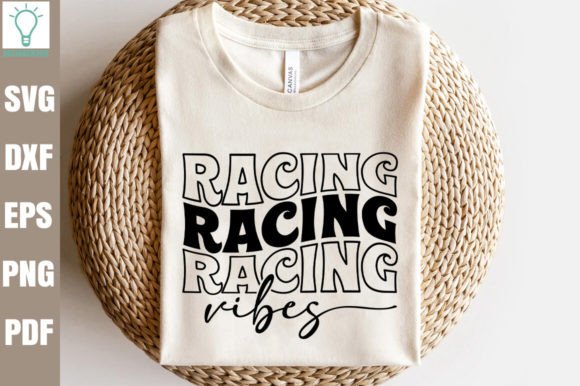
- Custom Apparel and Sweatshirts: This is the natural home for this design. Imagine a heather grey crewneck sweatshirt with this stitched in earthy tones—mustard yellow, burnt orange, and navy blue. The retro font pairs perfectly with the heavy texture of fleece or cotton blends. It appeals directly to the demographic that buys personalized gifts for partners or family members who love cars.
- Tote Bag Designs: Canvas totes are a staple for craft businesses. This design translates beautifully onto sturdy canvas. Because the retro style often relies on clean lines and blocky shapes, it holds up well on textured fabrics where finer details might get lost. It adds a touch of personality to everyday carry items, making it a great impulse buy at market stalls.
- Embroidered Patches: If you offer patches as add-ons, this design is prime material. The "retro" theme lends itself to the classic patch aesthetic. You can easily digitize this into a dense fill stitch with a satin border, creating a high-quality badge that customers can sew onto denim jackets or backpacks.
- Baby Embroidery and Nursery Decor: Don’t overlook the gift market. A soft onesie or a burp cloth with this design in pastel racing colors (like mint green and pale pink) makes for a unique shower gift. It’s gender-neutral enough but still carries that strong thematic identity. Parents love buying items that reflect their hobbies, even for infants.
- Kitchen Towels and Aprons: For the crafter who loves both cooking and cars, this design on a flour sack towel or a durable apron is a fantastic idea. The retro vibe fits perfectly in a farmhouse-style kitchen, bridging the gap between rustic decor and automotive passion.
Technical Considerations and Stitch Clarity
Before you start printing mockups or ordering blank inventory, there are practical embroidery considerations you must keep in mind. While the source file provides multiple formats, including digital embroidery files and vector assets, the translation to physical stitches requires careful planning.
Stitch Density and Detail: Retro designs often rely on thick, bold lettering. Ensure that your digitizing process (or the provided file settings) accounts for adequate stitch density. If the fill stitch is too sparse, the fabric texture will show through, ruining the crispness of the retro look. Conversely, if it is too dense, the fabric may pucker, especially on lighter materials. Always inspect small details and check whether the design works for both personal and commercial projects by testing the stitch count against your machine’s capabilities.
Fabric Texture and Background: The contrast between the thread and the fabric is everything. On dark fabric, you will need a heavier underlay or a backing layer to ensure the retro colors pop. On light fabric, you have more freedom, but be wary of thin fabrics where the stabilizer might leave visible marks. Test the design on scrap fabric first to gauge how the thread interacts with the weave.
Hoop Size Constraints: Be mindful of the hoop size required for this design. If you are placing it on a cap or a curved surface, you need to ensure the design fits within the curvature without distorting the text. Curved surfaces like caps can stretch the embroidery, so checking the alignment before committing to the final product is essential.
Where to Use Caution
There are certain scenarios where this design might struggle. Avoid using it on highly textured fabrics like boucle or heavy chenille unless you are experienced with stabilization techniques. Thin fabrics, such as silk or lightweight polyester, may not support the weight of the stitches required for a bold retro font, leading to puckering. Additionally, while the design is versatile, tiny lettering or intricate decorative accents might get lost if you scale it down too much for small items like baby socks or miniature tags.
Impact on Brand and Customer Trust
For small shop products and Etsy listings, presentation is key. A well-executed embroidery project builds immediate trust. When a customer sees a clean, professional finish on a product featuring Home is Where the Speedway is Retro SVG, they perceive higher value. It signals that you care about quality, not just quantity.
This design also enhances brand consistency. If your shop focuses on nostalgic, Americana, or automotive-themed goods, this graphic reinforces that identity. It helps in creating a cohesive collection. Furthermore, its emotional appeal—the idea that "home" is connected to a passion—increases buyer engagement. People buy things that tell a story about themselves. This design tells a story of heritage, speed, and comfort.
Practical Designer Notes for Success
To ensure your finished product stands out, follow these steps:
- Thread Color Contrast: Choose threads that complement the retro palette. Avoid neon colors unless you are going for a very specific modern twist. Stick to muted, vintage-inspired hues.
- Stabilizer Selection: Use the proper stabilizer for your fabric type. Cut-away stabilizers are generally safer for stretchy fabrics or frequent washing, while tear-away might suffice for stable cottons.
- Black and White Mockups: Convert your design to black and white in your software to check the balance and spacing. This helps identify any awkward gaps or overcrowding that color might hide.
- Licensing Check: Before selling finished items or digital products, confirm licensing terms. Ensure you have the right to use Home is Where the Speedway is Retro SVG for commercial purposes. The bundle includes various formats, but the license is separate.
- Test Runs: Never skip the test run. Stitch the design on a practice piece to check for tension issues, thread breaks, or alignment errors.
In conclusion, Home is Where the Speedway is Retro SVG is a strong addition to any embroiderer’s library. It offers a blend of nostalgic charm and commercial viability. Whether you are creating personalized gifts, boutique branding, or printable mockups for digital sellers, this design provides a solid foundation for high-quality, appealing products. Just remember to respect the technical limitations of embroidery and always prioritize precision in your execution.