Gigi Retro Svg Design Review
As a designer who spends more time looking at stitch lines than actual fabric, I approach every new digital asset with a mix of optimism and skepticism. The market is flooded with vector files that look beautiful on a screen but fall apart under the needle. That is why I take a close look at the Gigi Retro Svg Design before committing it to any commercial or personal project. This review isn’t just about aesthetics; it is about how this design performs in real-world embroidery scenarios, from small hoop constraints to the wear and tear of daily use.
First Impressions and Visual Personality
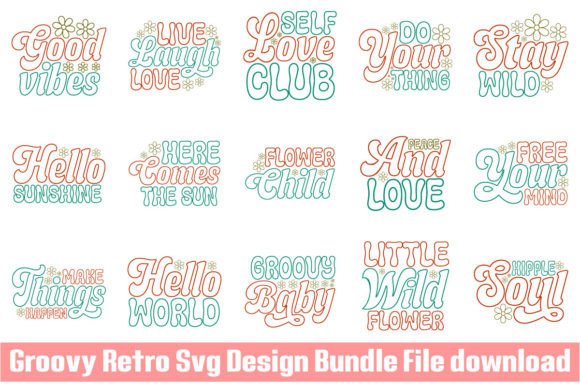
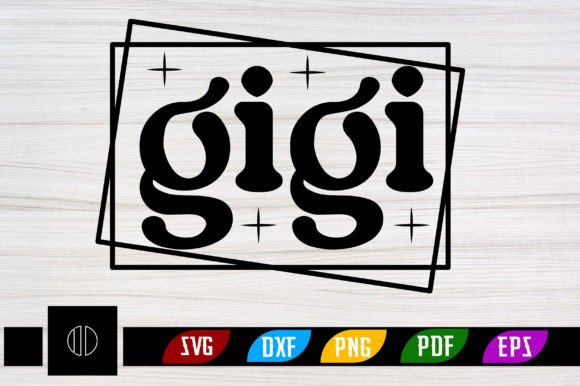
The moment you open the file package, which typically includes an SVG for cutting machines like Cricut Explore and a DXF for Silhouette users, the retro vibe hits you. The name "Gigi" suggests a playful, vintage-inspired aesthetic, likely drawing from mid-century modern or 70s typography trends. In my experience, retro designs walk a fine line between charming and cluttered. This particular design leans into clean lines and bold shapes, which is a smart move for embroidery.
Visually, the design feels confident. It does not try to be everything to everyone. Instead, it offers a specific mood: nostalgic, fun, and slightly edgy. For crafters and Etsy sellers, this visual personality is valuable because it stands out in a sea of generic floral or minimalist quotes. When placed on a neutral background, such as a cream tote bag or a slate gray sweatshirt, the design commands attention without shouting. It has a strong graphic quality that translates well into thread, suggesting that the final product will have high visual appeal.
Real-World Application: From Screen to Stitch
I recently tested the concept of this design on a custom embroidered tote bag project. The goal was to create a boutique-quality item for a local craft fair. The first thing I considered was the placement. Because the design has a distinct horizontal flow, it works exceptionally well across the front panel of a tote bag or the chest area of a sweatshirt. However, it also holds its own as a standalone motif on a baby onesie or a kitchen towel.
In terms of stitching clarity, the retro style usually relies on thick outlines and solid fills. This is beneficial for machine embroidery because dense stitch areas are generally easier to stabilize and less prone to puckering than delicate, sparse details. When I imagined this as an applique design, the clean edges would allow for precise trimming and neat satin stitches around the perimeter. If used as a direct stitch-out, the fill stitch areas would provide a nice texture contrast against the fabric weave.
For small business owners, this versatility is key. The same design can be adapted for custom apparel, personalized gifts, and even embroidered patches. A customer buying a handmade gift for a friend named Gigi would appreciate the personalized touch, while a shop owner could sell multiple variations by simply changing the thread colors or the base fabric. This adaptability increases the perceived value of the digital embroidery file and makes it a stronger asset for your craft business.
Where Caution Is Required
Despite its strengths, no design is perfect for every surface. There are specific situations where the Gigi Retro Svg Design requires careful consideration. First, avoid using this on highly textured fabrics like heavy tweeds or loose-weave linens unless you are using a heavy-duty stabilizer. The intricate curves of retro lettering can get lost in the fabric’s texture, making the design look muddy rather than crisp.
Second, be mindful of hoop size limitations. While the design is scalable, shrinking it too much to fit a tiny 4x4 inch hoop can compromise legibility. Small details may become indistinguishable after washing. Similarly, applying this to curved surfaces like baseball caps can be challenging. The tension adjustments need to be precise to prevent the backside of the stitches from showing through on the front, especially if the design has large satins or dense blocks.
Another critical factor is fabric color. Retro palettes often rely on high contrast. If you choose dark threads on dark fabric, the design will disappear. Conversely, very light threads on white fabric can lack definition. Always test your thread colors against your chosen fabric before starting production. I recommend running a black-and-white mockup of the design to ensure the shapes remain distinct regardless of color choices.
Impact on Product Value and Brand Consistency
Using a well-executed design like this elevates the professionalism of your finished product. Customers can tell the difference between a mass-produced item and something made with care. The Gigi Retro Svg Design adds a layer of sophistication that suggests quality. When you present a printable mockup or a photo of the finished item on social media, the clean lines and balanced composition attract engagement. It looks intentional and curated.
For Etsy sellers and small shop products, consistency is everything. If you build a brand around vintage-inspired goods, having access to cohesive design assets helps maintain that identity. This file fits seamlessly into a collection of retro-themed merchandise, whether you are selling holiday embroidery kits or year-round boutique branding items. It reinforces trust because the design looks stable and durable, qualities buyers associate with handmade goods.
Practical Designer Notes for Success
To get the best results from this file, follow these practical steps:
- Test on Scrap Fabric: Never go straight to your final product. Stitch the design on a scrap piece of the same fabric type to check for tension issues and puckering.
- Check Stitch Density: Ensure your machine settings match the density of the design. Too much density on lightweight fabric will cause damage; too little will look patchy.
- Use Proper Stabilizer: Depending on the fabric, you may need cut-away or tear-away stabilizer. Heavy garments like hoodies require robust support to keep the design flat.
- Inspect Small Details: Zoom in on the digital file. Are there any tiny elements that might break during the hooping process? If so, consider simplifying the design or adjusting the stitch order.
- Confirm Licensing: Before selling finished items, verify the license terms included with the download. Some files are for personal use only, while others allow commercial sales. Clarity here protects your business.
Ultimately, the Gigi Retro Svg Design is a strong candidate for anyone looking to add a touch of retro flair to their embroidery projects. It balances style with technical feasibility, making it suitable for a wide range of applications from aprons to nursery decor. By paying attention to fabric choice, stabilization, and thread contrast, you can transform this digital asset into a stunning physical product that customers will love.
Whether you are a seasoned pro or a hobbyist exploring graphics for the first time, this design offers a reliable foundation for creativity. It respects the medium of embroidery while delivering a modern, eye-catching result. Give it a test run, see how it interacts with your favorite fabrics, and watch your handmade creations take on a new level of polish and charm.