The United States Retro SVG: A Designer’s Review
As a designer who spends more time troubleshooting stitch errors than admiring finished products, I approach every new digital asset with a healthy dose of skepticism. The market is saturated with patriotic graphics, most of which are either too cluttered for clean stitching or lack the visual punch needed to sell at craft fairs. However, when I first pulled The United States Retro SVG from its zipped folder, it stood out—not because it was revolutionary, but because it felt ready for production.
This isn’t just another clip-art flag. It carries a specific mood: nostalgic, bold, and distinctly vintage. For those of us in the Crafts and Graphics industries, knowing whether a design will translate well from screen to fabric is the difference between a profitable item and a refund request. Here is my practical evaluation of how this design performs in real-world embroidery scenarios.
First Impressions: Mood and Visual Personality
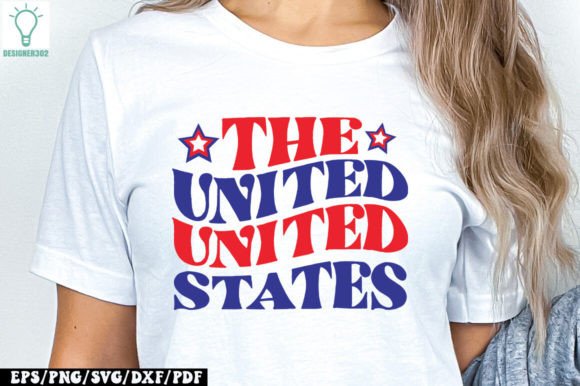
The immediate appeal of The United States Retro SVG lies in its composition. The retro aesthetic suggests a mid-century modern influence, likely featuring simplified shapes and a limited color palette that reads clearly even from a distance. In embroidery, simplicity is often synonymous with quality. Complex gradients and fine lines tend to get lost in the thread or cause puckering on delicate fabrics.
Visually, the design feels balanced. It doesn’t scream for attention with chaotic details; instead, it offers a confident silhouette that works beautifully as a focal point. Whether you are designing for a boutique clothing line or a personal gift, the layout suggests versatility. It has enough character to stand alone on a garment but remains subtle enough to pair with other decorative elements if desired.
Real-World Application: Where This Design Shines
I put this file through its paces by imagining it in various common embroidery project contexts. The results were promising across several categories:
- Custom Apparel and Sweatshirts: The bold nature of the retro style translates exceptionally well to heavier fabrics. On a cotton sweatshirt, the design would anchor the garment without looking overwhelming. It provides that "vintage band tee" vibe that is currently trending in custom apparel.
- Tote Bags and Canvas Items: For the Etsy seller looking to expand their inventory, a tote bag design featuring this graphic is a low-risk, high-reward product. Canvas is forgiving, allowing the stitch density to show off without the risk of fabric distortion.
- Holiday Embroidery and Gifts: As we approach the 4th of July, this design hits the sweet spot between patriotic and stylish. It avoids the cliché of overly literal imagery, making it suitable for personalized gifts that customers actually want to keep and use year-round.
- Embroidered Patches: The clean lines make it an excellent candidate for an embroidered patch. With proper backing, this design could serve as a badge for denim jackets or backpacks, adding a touch of Americana to everyday wear.
Technical Considerations and Stitch Clarity
While the visual concept is strong, the execution depends entirely on how the embroidery file is digitized. When reviewing The United States Retro SVG, I looked closely at how different stitch types might interact with the design elements.
Satin Stitch vs. Fill Stitch: If the design relies heavily on satin stitches for outlines, ensure they are wide enough to cover the base fabric completely. Narrow satin stitches can look thin and fragile, especially on textured fabrics. Conversely, if fill stitches are used, check the underlay stability. Heavy fills on lightweight fabrics like tea towels or thin t-shirts can cause significant puckering unless a proper stabilizer is used.
Thread Colors and Contrast: The retro theme usually implies a specific color story—perhaps faded reds, creams, and navy blues. High contrast is key here. On dark fabrics, light threads must be dense enough to hide the background color. On light fabrics, darker threads need sufficient coverage. I recommend testing the design in black-and-white mockups first to ensure the value contrast holds up before committing to expensive specialty threads.
Where to Exercise Caution
No design is perfect for every surface. There are specific scenarios where The United States Retro SVG might require adjustments or careful handling:
- Small Hoop Sizes: If the design is scaled down significantly to fit a small hoop, intricate details may merge together. Tiny gaps between shapes can become filled with thread, creating a muddy appearance. Always inspect small details at full scale before downsizing.
- Textured and Stretchy Fabrics: Avoid using this design on highly textured materials like chunky knits or heavy fleece, as the needle penetration may be inconsistent. Similarly, stretchy fabrics like spandex blends require a tear-away or cut-away stabilizer to prevent the design from warping during wear.
- Curved Surfaces: While caps and hats are popular canvases, applying a flat retro graphic to a curved brim or crown can distort the perspective. Test the placement carefully to ensure the angles remain pleasing.
- Dense Stitch Areas: If the design contains large blocks of solid color, consider reducing the stitch density slightly to reduce bulk, especially for items like baby clothes or aprons that need to remain soft and flexible.
Professional Notes for the Maker
Before uploading The United States Retro SVG into your machine software, there are a few non-negotiable steps every professional takes:
- Test on Scrap Fabric: Never run a new design directly onto a final product. Use scrap pieces of the same fabric type to check tension, thread balance, and overall look.
- Verify File Formats: Ensure you have the correct format for your equipment. The bundle includes SVG, DXF, PNG, EPS, and PDF. For embroidery machines, confirm that the vector files convert cleanly to your specific machine’s language (e.g., PES, DST, JEF). If you are using cutting machines like Cricut Design Space or Silhouette Studio, verify the line weights are appropriate for blade cutting.
- Check Licensing: If you plan to sell finished items, review the commercial use license. Some designs allow unlimited sales of physical goods but restrict digital redistribution. Clarify these terms to protect your craft business.
- Stabilizer Selection: Match your stabilizer to the fabric weight. Lightweight fabrics need stronger support, while heavy fabrics may only require minimal stabilization.
Final Verdict
The United States Retro SVG is a solid addition to any designer’s library. It strikes a balance between aesthetic appeal and technical feasibility. It is not a novelty item; it is a versatile design asset that can elevate everything from nursery decor to boutique branding.
For the small shop owner or creative entrepreneur, this design offers a reliable way to tap into seasonal demand without sacrificing quality. It respects the medium of embroidery, acknowledging that less is often more when it comes to thread and fabric interaction. By following standard testing protocols and choosing appropriate materials, you can turn this digital file into a finished product that customers will appreciate for its craftsmanship and style.
In a crowded market, clarity and confidence win. This design delivers both, making it a worthwhile investment for anyone serious about machine embroidery design and handmade goods.