Retro Halloween Ghost Sublimation Review
As a designer who spends half my life staring at stitch density charts and the other half trying to convince clients that embroidery is worth the premium price tag, I approach every new digital asset with a healthy dose of skepticism. We have all been burned by "cute" graphics that look terrible when converted to thread. That is why I decided to put Retro Halloween Ghost Sublimation through its paces before recommending it for any real-world project. This isn't just about whether the file opens correctly; it is about whether the design holds up under the needle, looks professional on a finished product, and appeals to the specific aesthetic of today’s handmade market.
First Impressions and Visual Personality
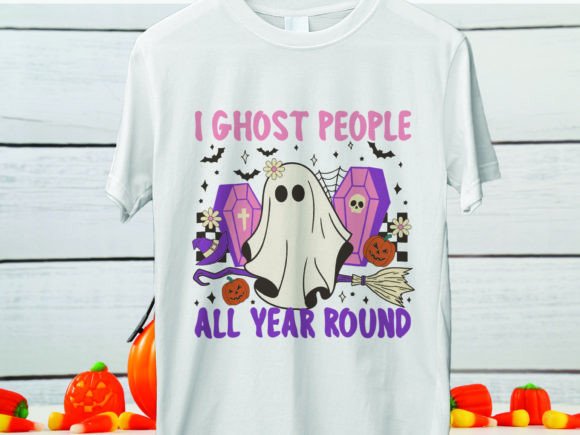
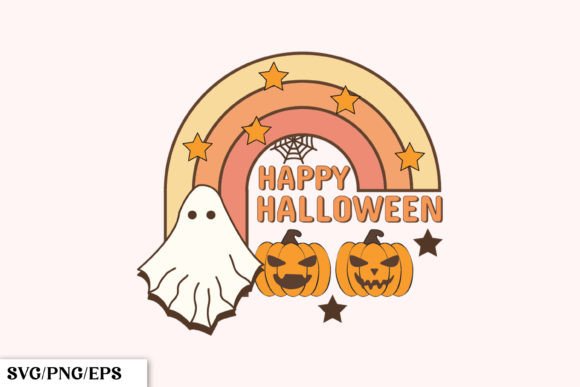
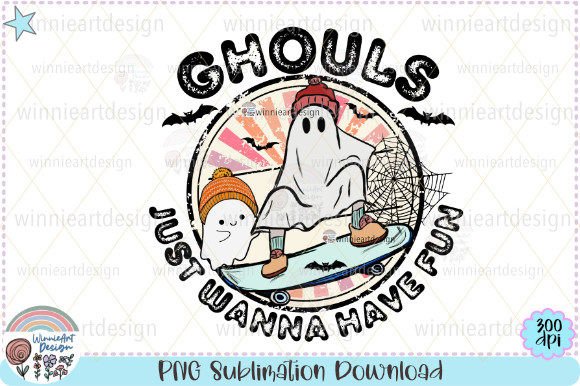
The moment you load Retro Halloween Ghost Sublimation, the mood is immediately established. It leans heavily into vintage nostalgia, tapping into that warm, cozy-yet-spooky vibe that has dominated seasonal decor and apparel for years. Unlike modern, edgy horror aesthetics, this design feels approachable. It is perfect for holiday embroidery projects that aim for charm rather than fright. The visual personality suggests a design that belongs on soft cottons, heavy hoodies, or rustic linen aprons rather than sleek, high-tech performance fabrics.
From a layout perspective, the composition is balanced. It does not feel cluttered, which is a common pitfall in retro-themed graphics. For an Etsy seller or small shop product creator, this balance is crucial because it allows the design to stand out without overwhelming the garment. It feels like a tote bag design waiting to happen, or perhaps a centered chest placement on a crewneck sweatshirt. The retro color palette implied by the name suggests it will pair beautifully with muted earth tones, mustard yellows, or deep oranges, creating a cohesive brand look for your craft business.
Real-World Application: The Custom Gift Scenario
Let’s imagine a practical scenario. You are preparing a batch of custom gifts for a local boutique client who specializes in fall-themed home goods. They want a set of embroidered kitchen towels and matching tea towels featuring a spooky but cute motif. You decide to test Retro Halloween Ghost Sublimation here.
When you preview the design on a digital mockup of a flour sack towel, it works. The ghost shape is distinct enough to be recognizable even at smaller sizes. However, as a reviewer, I must emphasize that digital previews can be deceiving. The transition from screen to fabric is where designs often lose their soul. In this case, the retro style actually helps. Because the original graphic likely relies on bold shapes and simplified details, it translates better to thread than intricate, photorealistic images would.
This makes it an excellent candidate for personalized gift items. Imagine adding a small monogram next to the ghost on a baby onesie. The contrast between the playful ghost and the elegant script creates a high-end feel. It elevates a simple baby embroidery project into something that feels curated and thoughtful. Customers are willing to pay more for items that look intentional, and Retro Halloween Ghost Sublimation provides that foundation of intentional design.
Technical Performance and Stitching Considerations
Here is where we get into the nitty-gritty. As noted in the product details, you are receiving a PNG file at 300 dpi, not an SVG or a native machine embroidery file (like .PES or .DST). This is a critical distinction. You cannot simply load this into your embroidery machine. You will need to use digitizing software to convert this raster image into a stitchable format. This gives you control over the stitch density, fill stitch patterns, and satin stitch edges, but it also introduces variables.
When converting this design, pay close attention to the curves. Retro ghosts often feature smooth, flowing tails. If your digitization settings are too loose, these tails may become jagged or unstable. If they are too dense, the fabric may pucker. I recommend testing the conversion on scrap fabric first. Check how the running stitch handles the finer details if the design includes eyes or mouths. Ensure there is enough negative space between elements to prevent thread breaks.
Furthermore, consider the hoop size. If you plan to embroider this on a cap or a curved surface, the distortion of the fabric around the curve will affect the final look. A design that looks perfect flat on a screen might stretch unevenly on a baseball cap. Always do a test run on the actual substrate. If you are using this for commercial embroidery projects, such as branded polo shirts for a company event, consistency is key. You need to ensure that every single unit looks identical, which requires precise stabilizer selection and careful hooping techniques.
Where to Use It (And Where to Be Careful)
Retro Halloween Ghost Sublimation shines on stable, medium-weight fabrics. Cotton canvas tote bags, denim jackets, and fleece sweatshirts are ideal candidates. These materials provide the structure needed to support the stitches without distorting. It also works well on embroidered patch applications, where the design is stitched onto a separate backing and then attached to a larger item.
However, there are places where this design should be used carefully. Avoid placing it on highly textured fabrics like bouclé or thick wools unless you are prepared for the details to get lost in the weave. Thin fabrics, such as lightweight polyester blends, may require additional tear-away stabilizer to prevent puckering, especially if the design has large fill areas. Stretchy knits can also be tricky; if the thread colors do not have sufficient contrast against the dark fabric, the ghost may disappear entirely. Always check your contrast ratio before committing to a full production run.
Additionally, be mindful of small hoop sizes. While the design is scalable, shrinking it down too much can result in a loss of detail. If the ghost’s facial features are fine lines, they may merge into a blob when stitched at a very small scale. For apparel decorators, sticking to standard placements—such as the left chest or center back—will yield the best results.
Impact on Brand and Customer Perception
In the world of handmade goods, presentation is everything. Using a well-composed design like Retro Halloween Ghost Sublimation signals professionalism. It shows customers that you care about the visual harmony of your products. When a buyer sees a clean, retro-styled ghost on a high-quality hoodie, they perceive higher value. This boosts customer trust and encourages repeat purchases.
For digital product sellers who create printable mockups, this design offers versatility. It fits seamlessly into autumn-themed collections, allowing you to cross-sell related items like mugs, pillows, and wall art. The retro aesthetic has broad appeal, crossing age groups and appealing to both nostalgic adults and parents looking for fun, non-scary Halloween options for their children.
Final Verdict for Designers
Ultimately, Retro Halloween Ghost Sublimation is a strong contender for anyone looking to add seasonal flair to their inventory. It is versatile, visually appealing, and aligns perfectly with current trends in handmade product design. However, success depends on your execution. Take the time to digitize it properly, choose the right fabric texture and stabilizer, and always test before you sell. By treating this asset with the respect it deserves, you can create stunning finished product pieces that stand out in a crowded marketplace.
If you are an Etsy seller or creative entrepreneur ready to expand your Halloween collection, this design is a smart investment. Just remember to verify licensing terms if you intend to sell the physical items, and enjoy the creative process of bringing this retro spirit to life.