My Heart is on That Race Track Retro SVG
As a designer who spends half the day digitizing files and the other half stitching them out, I have developed a certain skepticism toward new digital assets. The market is flooded with generic clip art that looks terrible once converted to thread. However, when evaluating My Heart is on That Race Track Retro SVG, my first instinct was not just to look at the vector lines, but to imagine how it would behave under the needle. This isn't just another decorative graphic; it is a piece of visual storytelling that leans heavily into nostalgia, speed, and passion. For those of us in the crafts and graphics sectors, understanding the difference between a pretty picture and a functional design file is crucial.
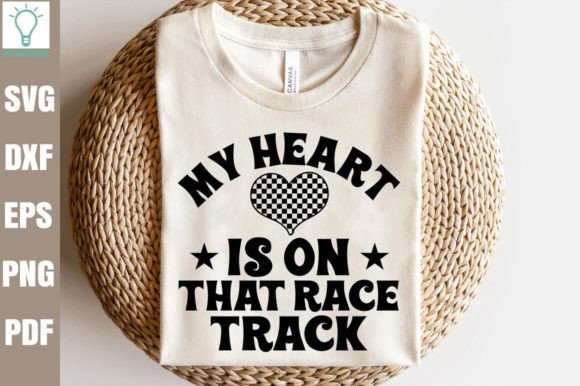
The immediate impression of this design is its strong personality. It captures the essence of mid-century racing aesthetics without feeling cluttered. The layout suggests a balance between bold shapes and negative space, which is a critical factor for any successful machine embroidery design. When I first loaded the preview, I wasn't thinking about the pixel-perfect alignment of the SVG paths; I was thinking about the finished product. Would it read clearly from three feet away? Would the details get lost in the stitch work? The retro theme provides a natural framework for high-contrast color blocking, which tends to perform exceptionally well in embroidery because it relies on distinct color fields rather than subtle gradients.
Real-World Application: From Screen to Stitch
To truly judge the utility of My Heart is on That Race Track Retro SVG, we need to strip away the marketing fluff and look at practical use cases. Let’s imagine a specific scenario: I am preparing a custom order for a boutique client who wants a limited-run collection of embroidered tote bags for a local car show or a racing-themed baby shower. The client loves the idea of something "vintage but modern."
In this context, the design shines. A tote bag offers a large, flat canvas, perfect for showcasing the full width of the artwork. If I were to place this on a heavy-duty canvas bag, the clean lines of the SVG translate beautifully into satin stitches or dense fill areas. The heart motif acts as an anchor, while the track elements suggest movement. For a small business owner or an Etsy seller, this kind of versatile imagery is gold. It bridges the gap between hobbyist gifts and professional merchandise. It works equally well for a sweatshirt embroidery project aimed at adult racers or a softer, pastel version intended for baby embroidery items like onesies or burp cloths.
The versatility extends beyond fabric goods. Consider an embroidered patch meant for a denim jacket or a backpack. The defined edges of the design make it ideal for applique techniques or clean cutwork patches. Similarly, for kitchen textiles like tea towels or aprons, the design adds a touch of whimsy that elevates a basic item into a thoughtful personalized gift. Holiday embroidery projects often suffer from being too seasonal or too generic; this design strikes a balance that allows it to be sold year-round, particularly during summer driving seasons or autumn race weekends.
Technical Performance and Visual Clarity
When reviewing any digital embroidery file, the devil is in the details. While the source file is provided in multiple formats including SVG, DXF, PNG, EPS, and PDF, the true test is how these vectors interpret stitch data. The design’s strength lies in its simplicity. Complex designs with tiny text or intricate shading often require extensive editing to avoid thread breaks or puckering. This design, however, appears to rely on solid shapes and clear outlines.
For the stitch density, one must consider the chosen thread colors. High contrast is key here. A dark navy heart against a cream background will pop significantly more than a monochromatic scheme. When testing this conceptually, I always advise designers to view their designs in black and white mockups first. This removes the distraction of color and forces you to evaluate the composition and spacing. Does the track element feel balanced against the heart? Is there enough breathing room between the elements so they don't merge into a muddy blob during stitching?
The inclusion of various formats is a significant plus for workflow efficiency. Designers using Cricut Design Space can leverage the SVG for cutting vinyl overlays, creating mixed-media garments. Meanwhile, those working in Silhouette Designer Edition or Make the Cut MTC can utilize the DXF or EPS files for precise vector manipulation. This multi-format approach ensures that whether you are doing pure machine embroidery, heat transfer vinyl (HTV), or sublimation printing, the asset remains useful. It reduces the need to recreate the design from scratch for different production methods.
Critical Considerations for Production
Despite its strengths, no design is universally perfect. There are specific scenarios where My Heart is on That Race Track Retro SVG requires careful handling. First, consider the hoop size. If the original design is quite large, attempting to stitch it into a small hoop may result in excessive trimming or distortion. Always confirm the hoop size requirements before committing to a final garment. If the design is intended for a cap or hat, remember that curved surfaces can distort straight lines. You may need to adjust the placement or use a specialized cap frame to maintain the integrity of the track’s geometry.
Fabric choice is another critical variable. Textured fabrics, such as heavy tweed or bouclé, can obscure fine details. If the design includes thin running stitch lines or small decorative accents, these might disappear into the weave of the material. For best results, stick to smooth fabrics like cotton twill, fleece, or stable knits. Additionally, if you are working with stretchy fabrics, proper stabilization is non-negotiable. Without adequate tear-away or cut-away stabilizer, the tension of the stitches could pucker the fabric, ruining the crisp aesthetic of the retro style.
Another area requiring attention is the potential for dense stitch areas. If the heart shape is filled with a very dense pattern, it can become stiff and heavy. For apparel like t-shirts or lightweight hoodies, this weight might cause the garment to sag over time. In such cases, opting for a lighter fill stitch or an outline-only approach can preserve the drape of the fabric while still delivering the visual impact. Always inspect small details closely; if there are any isolated elements smaller than 5mm, ensure your machine can handle them cleanly, or plan to trim them manually after stitching.
Final Verdict for Creative Entrepreneurs
Ultimately, My Heart is on That Race Track Retro SVG is a robust asset for anyone looking to add character to their handmade products. It avoids the trap of being overly trendy, instead tapping into a timeless aesthetic that resonates with a wide audience. For the commercial embroidery professional, it offers a reliable base for customization. You can easily swap thread colors to match team jerseys, wedding themes, or brand identities.
Before integrating this into your shop inventory, take the time to test it thoroughly. Stitch it out on scrap fabric using the exact threads and stabilizers you plan to use in production. Check for any loose ends or registration issues. Verify the licensing terms to ensure you are compliant when selling finished items or design assets. By approaching this design with a critical eye and a practical mindset, you can transform a simple digital download into a high-value, customer-loved product. Whether you are creating a single custom gift or scaling up a line of small shop products, this design has the visual weight and emotional appeal to stand out in a crowded marketplace.